Here is the dirty secret of homemade lo mein: the noodles were never the problem. You boiled them right, you stir-fried the vegetables right, and then you tossed everything with a splash of plain soy sauce and wondered why it tasted like a sad side dish instead of the glossy, savory tangle from the takeout box. The difference is not technique. It is the sauce — specifically, the two things plain soy sauce is missing: a nutty fat and a little sweetness to round off the salt.
This recipe fixes that with three bottles from your pantry door. No oyster sauce to buy, no Shaoxing wine to hunt down, no cornstarch slurry to fuss with. Sixty seconds of whisking, one glossy toss, and the noodles taste like they came from a restaurant that knows your order by heart.
The Sauce: Exact Quantities (for 8 Ounces of Noodles)
- 3 tbsp soy sauce — regular, not low-sodium, for this ratio. Low-sodium works but the sauce ends up flatter; if that is all you have, skip the extra pinch of salt later and taste first.
- 1 tbsp toasted sesame oil — the toasted kind, dark amber, from the Asian aisle. This is not the pale sesame oil used for frying. One tablespoon is plenty; two makes the whole pan taste like sesame and nothing else.
- 1 tbsp brown sugar, packed — light or dark both work. Dark gives a deeper, almost molasses note. White sugar works in a pinch but loses the caramel warmth.
Whisk in a small bowl until the sugar dissolves, about 60 seconds. Taste it straight: salty first, sweet second, nutty underneath. If it tastes only salty, the sugar has not dissolved yet — keep whisking. That is the entire sauce, and it keeps in a sealed jar in the fridge for 2 weeks. Double it for a pound of noodles (6 tbsp soy, 2 tbsp sesame oil, 2 tbsp brown sugar) and never measure again.
The Toss: How to Use It (So It Actually Coats)
- Cook 8 oz of noodles. Lo mein noodles if you have them; spaghetti if you do not — honestly, spaghetti is what most weeknight lo mein already is, and it works beautifully. Cook to the package directions, drain, and put the pot back on the stove with the heat OFF.
- Pour, then add 1 tbsp of neutral oil. This is the step everyone skips and then complains about clumping. The sauce alone is thin; a tablespoon of neutral oil (vegetable, canola, peanut) gives it the gloss that makes noodles slide instead of stick.
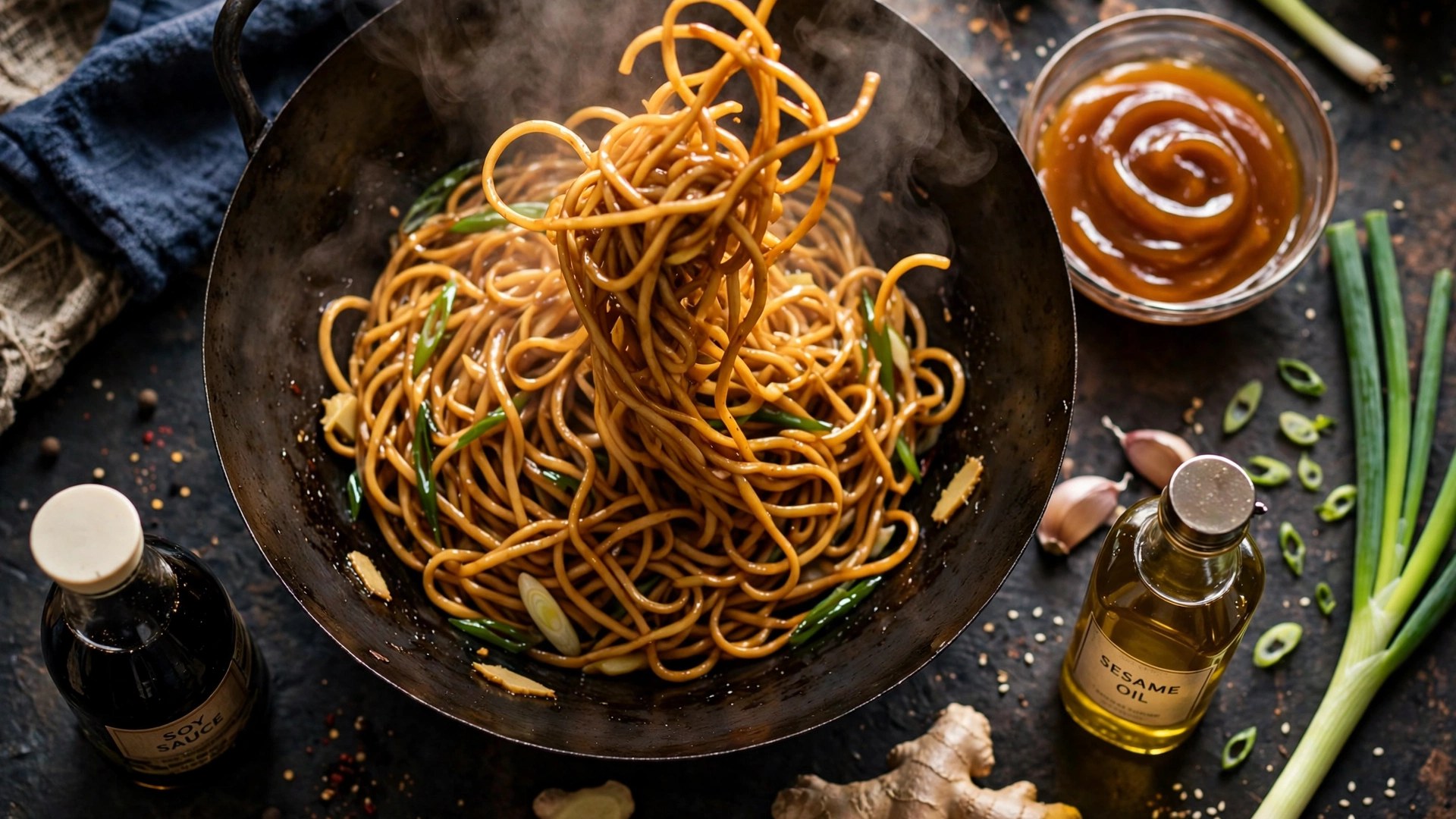
- Toss for a full minute. Tongs, lifting and turning, until every strand shines. The residual heat of the noodles blooms the sesame oil and melts any last sugar crystals.
- Fold in the extras last. Two cups of stir-fried vegetables, a cup of sliced cooked chicken or tofu, a handful of shredded carrots — whatever you have. Toss once more, serve immediately. Lo mein waits for no one.
The most common mistake is pouring the sauce into a screaming-hot wok and watching it reduce into a salty glaze in ten seconds. Off the heat, in the pot, with the noodles — that is where the sauce belongs.
Why 3 Ingredients Work (and When They Don't)
Takeout lo mein sauce is, at its core, a balance act: salt for savoriness, fat for mouthfeel, sugar for roundness. Soy sauce brings the salt plus a fermented depth. Toasted sesame oil brings a nutty fat that coats the tongue the way butter coats pasta. Brown sugar brings the sweetness that keeps the salt from tasting sharp. Three ingredients, three jobs, nothing redundant.
When does the 3-ingredient version fall short? When you want a darker, richer restaurant gloss — the kind that comes from oyster sauce. That is upgrade number one below, and it is optional, not required. The base sauce stands on its own; the upgrades are for the nights you want to show off.
3 Upgrades Worth Adding (Optional, One at a Time)
1. Oyster sauce (1 tbsp): the classic restaurant depth. Add it to the base and cut the soy sauce to 2 tablespoons so the salt stays balanced. If you are out of oyster sauce, our guide to what to use instead of oyster sauce covers the swaps that actually work.
2. Fresh ginger + garlic (1 tsp grated ginger, 1 minced clove): whisked into the sauce raw, they give the noodles a bright, warm bite. Add them only if you are tossing immediately — raw garlic turns harsh if the sauce sits overnight.
3. Chili crisp or sriracha (1 tsp): for the spicy version. Stir it into the finished noodles rather than the sauce, so everyone at the table controls their own heat.
Pick one upgrade per batch. All three at once and the sauce stops being simple — which defeats the entire point.
What to Serve It With
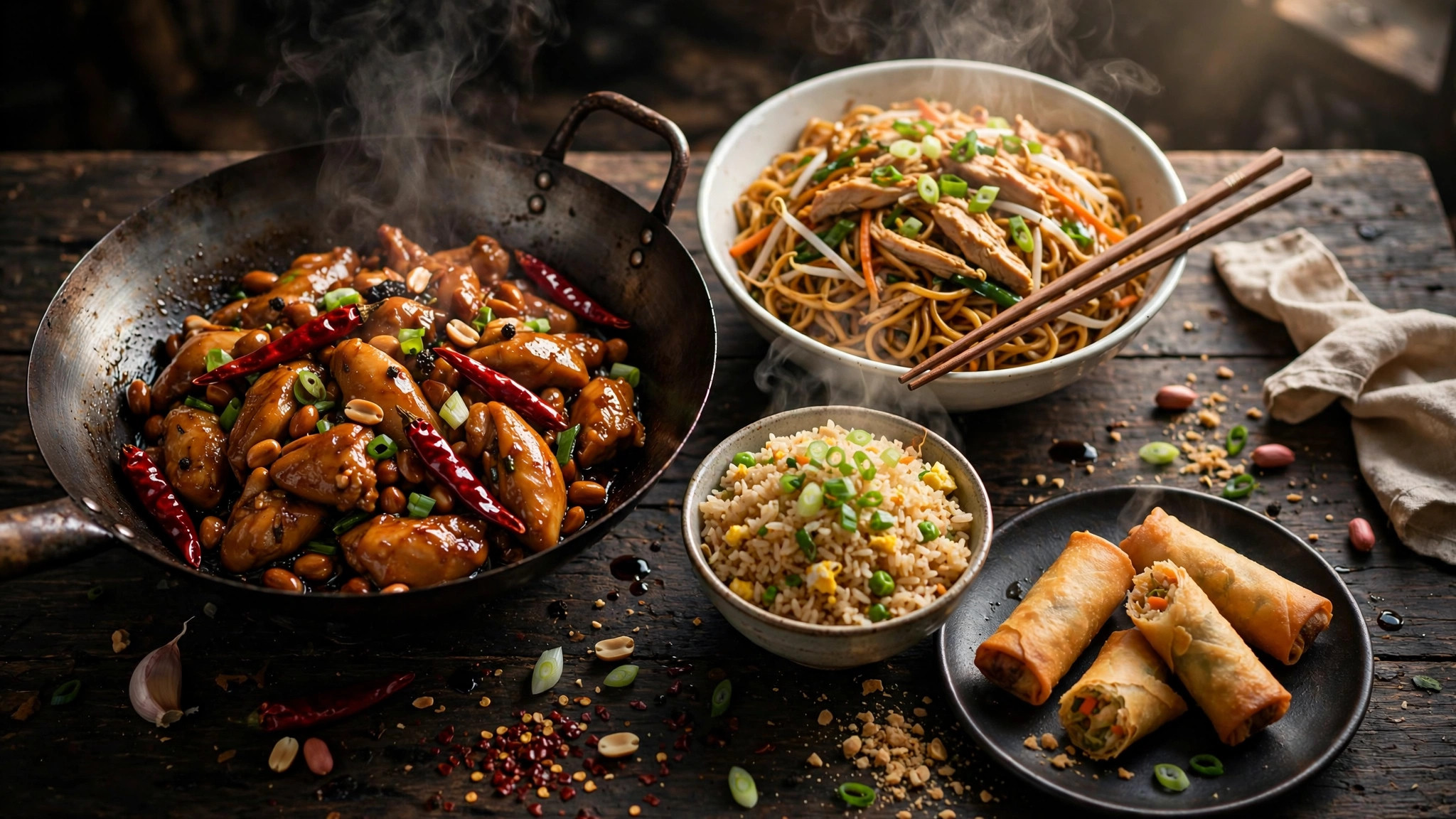
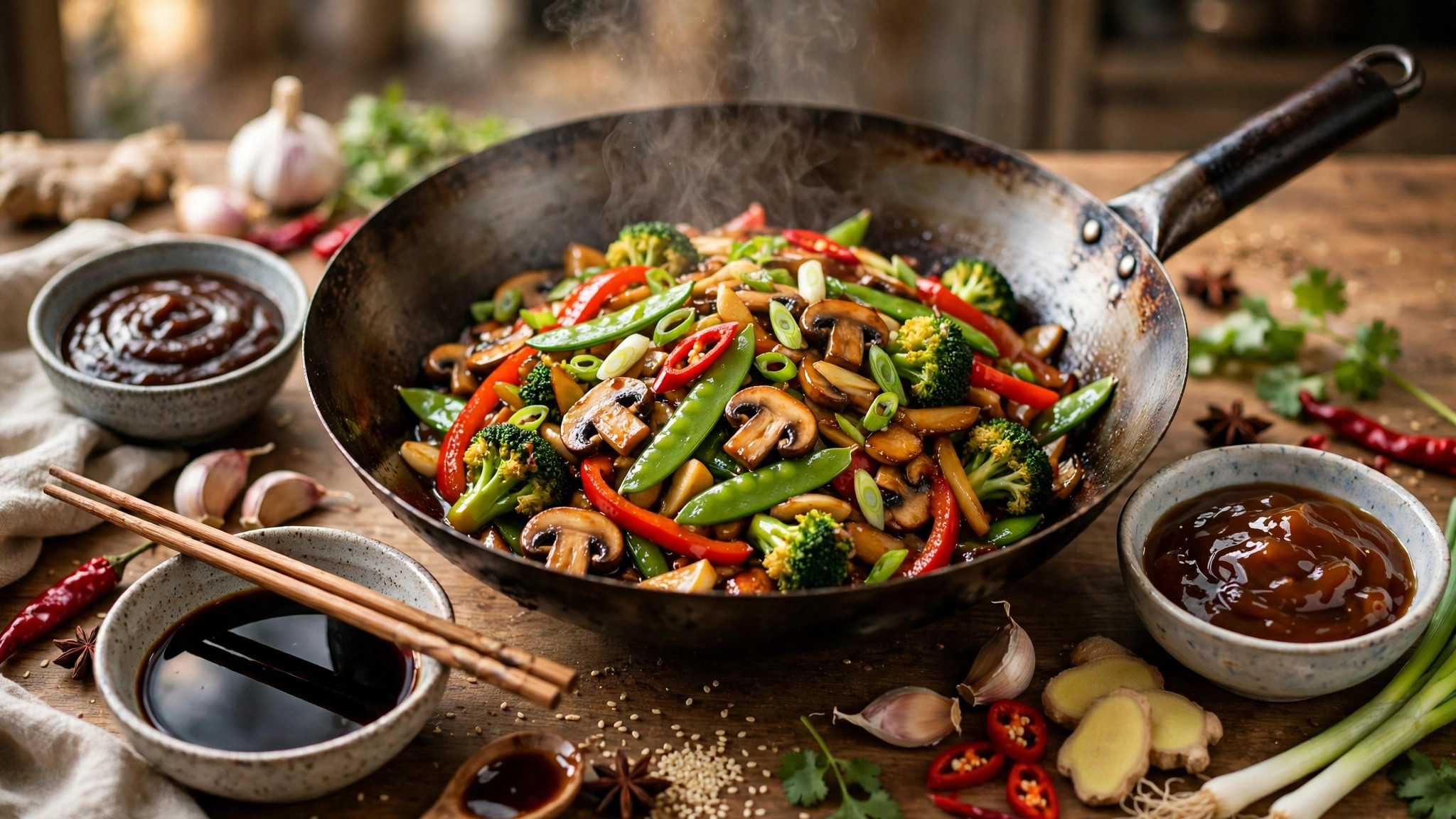
The sauce is built for the stir-fry you already know how to make: sliced chicken, shredded cabbage, julienned carrots, sliced mushrooms, and green onions. If you want the chicken to taste like the restaurant's — silky, tender, never dry — the trick is velveting, and our guide to how to velvet chicken like restaurants do walks through the 15-minute cornstarch method. And if this sauce gets you back into the takeout-at-home habit, our 5 Chinese takeout favorites you can make better at home is the next stop: kung pao, fried rice, and the rest of the order, all in 25 minutes or less.
Quick Questions
Can I use low-sodium soy sauce? Yes, but the sauce will taste a touch flatter. Fix it with an extra half-teaspoon of brown sugar, not more salt — the balance here is sweet-versus-salty, not just salty.
Can I use honey instead of brown sugar? Yes, same quantity. Honey makes the sauce slightly stickier and glossier, which is actually nice on noodles. Maple syrup works too but changes the flavor more noticeably.
Does it work on rice noodles or udon? Both. Rice noodles drink up sauce fast, so toss with an extra tablespoon of sauce. Udon's thick chew loves this ratio exactly as written.
How long does the sauce keep? Two weeks in a sealed jar in the fridge. The sugar may settle — shake or whisk before using. Do not freeze it; sesame oil goes cloudy and the texture never quite comes back.