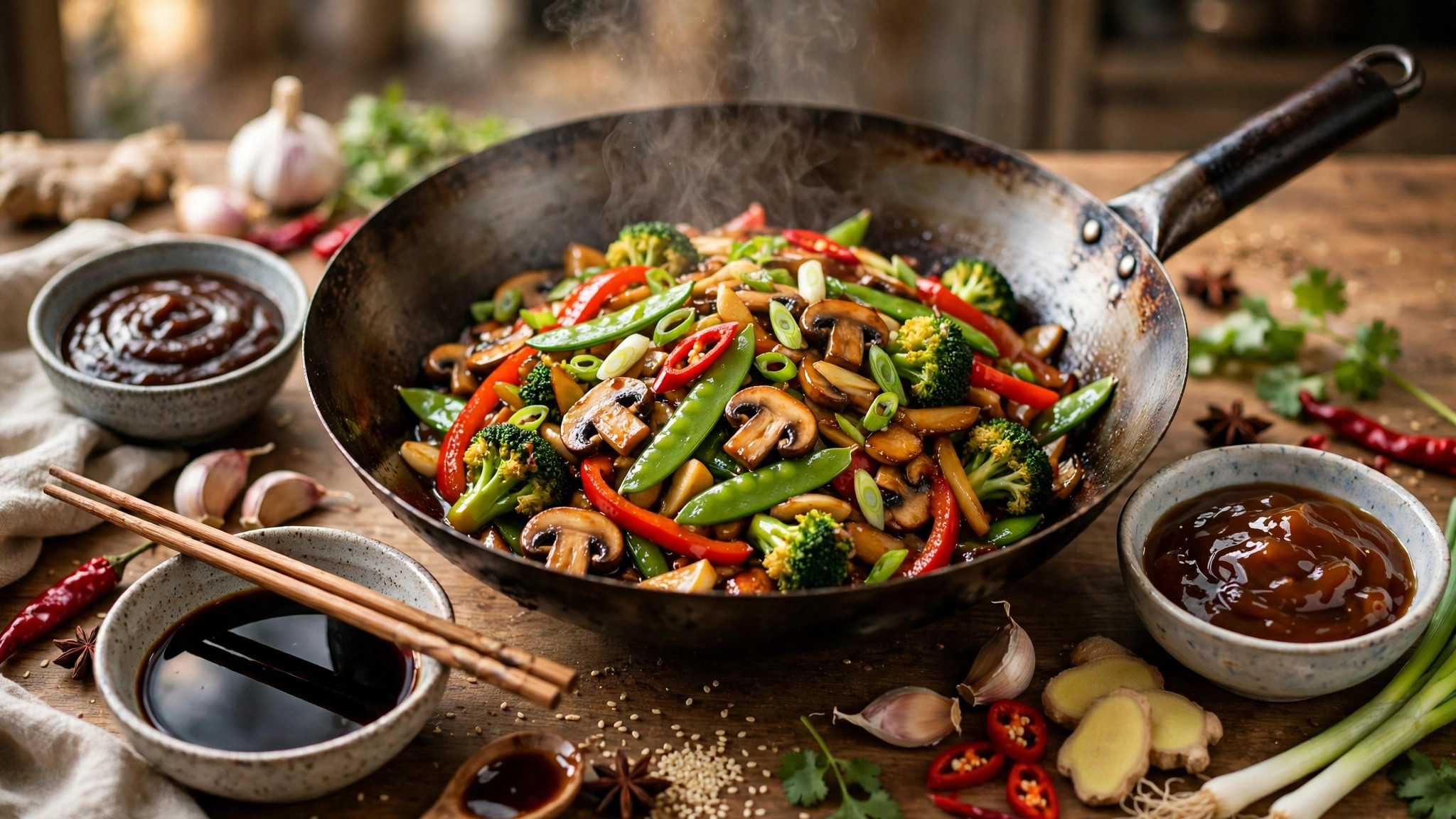
Your wok is screaming hot, the veggies are half in, and the recipe says "2 tablespoons oyster sauce" — and your bottle is empty, sticky, or never existed in the first place. We've all been there. Here's the good news: oyster sauce does three pretty simple jobs (salty, sweet, thick-and-glossy), and almost every decent kitchen already has something that can do them. Quick primer before we start: oyster sauce is a dark, savory-sweet condiment made from oyster extract, simmered down until it's syrupy. It tastes like salt, caramel, and a little sea funk — and that profile is what we're rebuilding.
One thing to know before you pick a substitute: oyster sauce plays three different roles depending on the dish. In a stir-fry, it's the glossy coating that ties everything together. As a dipping sauce, it's the thick sweet thing you drag spring rolls through. In a marinade, it's the sugar that caramelizes into those charred edges. Some swaps nail one job and fumble the others — so we'll flag exactly where each one shines.
The 7 Substitutes, Ranked
Ranked by how close they get to the real thing and how likely they are to already be in your kitchen. Every ratio is per 1 tablespoon of oyster sauce.
1. Soy sauce + sugar — the winner
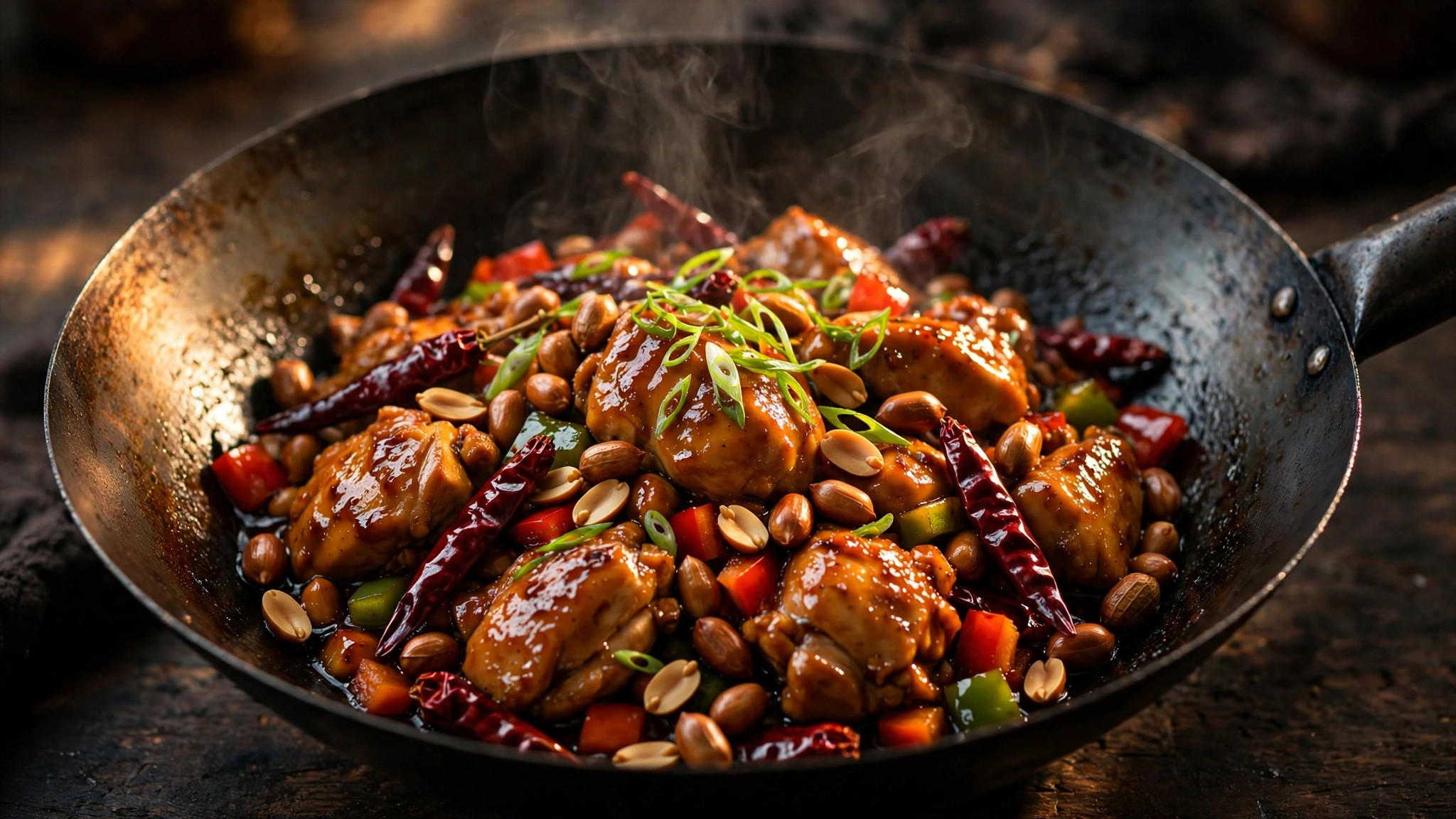
Ratio: 1 tbsp soy sauce + 1 tsp sugar. This is the swap most professional kitchens reach for first, and honestly it's not close. Regular soy sauce brings the salt and fermented depth; the sugar brings the sweet roundness and helps the sauce glaze up in the heat. Use white or brown sugar — brown adds a hint of caramel that edges even closer. The one gap: it's thinner than oyster sauce, so stir it in during the last minute of cooking and let the high heat reduce it into a glaze. Works everywhere, especially stir-fries like our homemade kung pao chicken in 25 minutes.
2. Hoisin sauce — the thick one
Ratio: 1 tbsp hoisin sauce. Hoisin is already thick, dark, and sweet, so it matches oyster sauce's texture almost one-to-one. It's a little sweeter and has more of a spiced, five-spice edge, so it changes the dish's personality slightly — in a good way, especially with pork or duck. Best for dipping and marinades, where body matters most. Bonus: it's made from fermented soybeans, so it's shellfish-free by default.
3. Soy sauce + brown sugar + cornstarch — the body double
Ratio: 1 tbsp soy sauce + 1 tsp brown sugar + a ¼-tsp cornstarch slurry. Take substitute #1 and fix its only weakness — thinness. Stir a tiny cornstarch slurry into the mix and simmer for 30 seconds until it turns glossy and thick. This is the closest homemade clone of oyster sauce's texture, and it takes about two minutes. Perfect when the dish is about the sauce, like a beef-and-broccoli glaze.
4. Tamari + sugar — the gluten-free pick
Ratio: 1 tbsp tamari + 1 tsp sugar. Same trick as #1, but tamari is usually thicker and richer than regular soy sauce, so the result tastes a touch more luxurious. Naturally gluten-free if your tamari bottle says so (most do — check the label), and shellfish-free. Great all-rounder for marinades and stir-fries.
5. Teriyaki sauce — the pantry sleeper
Ratio: 1 tbsp teriyaki sauce. Teriyaki is basically soy sauce, sugar, and a thickener already combined — sound familiar? It's a little sweeter and gingery-er than oyster sauce, so it nudges the dish toward a Japanese flavor lane. Best in marinades (teriyaki chicken wings with oyster-sauce aspirations) and glazes. Shellfish-free.
6. Sweet soy sauce (kecap manis) — the potent one
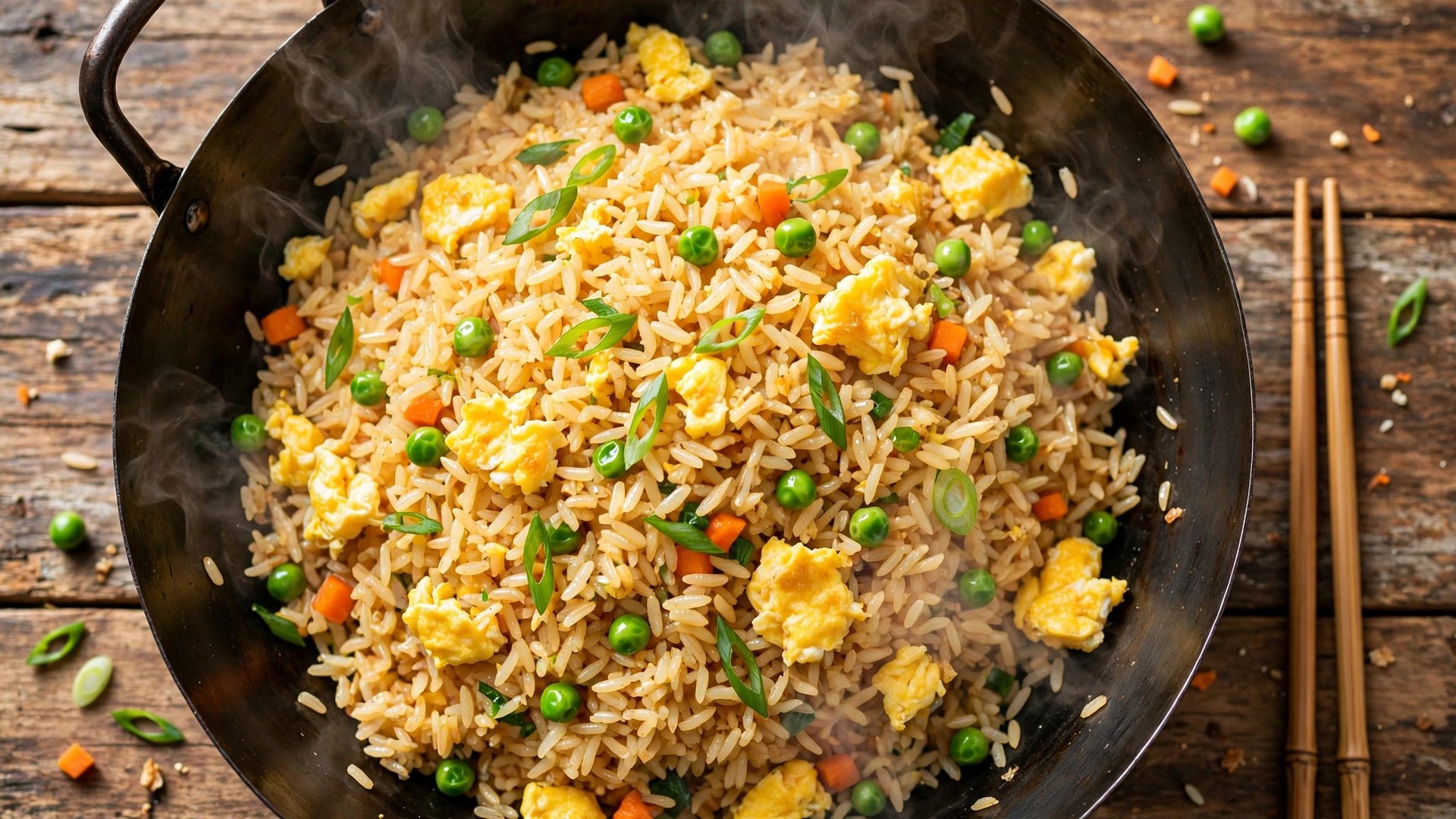
Ratio: ½ tbsp kecap manis + ½ tbsp water. This Indonesian sweet soy is oyster sauce's syrupy cousin — thick, dark, intensely sweet. It's stronger than oyster sauce, so cut it 50/50 with water or regular soy sauce or it'll take over the dish. Amazing in stir-fried noodles and fried rice — see our 5 fried rice swaps that work without soy sauce for more noodle-sauce tricks. Shellfish-free.
7. Vegetarian "oyster" sauce (mushroom sauce) — the actual twin
Ratio: 1 tbsp for 1 tbsp. This isn't really a substitute — it's the real thing minus the oysters, made from shiitake mushrooms. If your grocery store stocks it, this is the closest match you'll find, period. 100% shellfish-free, and it cooks exactly like regular oyster sauce because it is one in every way that matters.
The Cheat Sheet
In a hurry? Screenshot this.
| Substitute | Per 1 tbsp oyster sauce | Best job | Shellfish-free |
|---|---|---|---|
| Soy sauce + sugar | 1 tbsp soy + 1 tsp sugar | Stir-fry | Yes |
| Hoisin sauce | 1 tbsp hoisin | Dipping, marinade | Yes |
| Soy + brown sugar + cornstarch | 1 tbsp soy + 1 tsp sugar + ¼ tsp cornstarch slurry | Glazes | Yes |
| Tamari + sugar | 1 tbsp tamari + 1 tsp sugar | Anything (gluten-free) | Yes |
| Teriyaki sauce | 1 tbsp teriyaki | Marinade | Yes |
| Kecap manis | ½ tbsp + ½ tbsp water | Noodles, fried rice | Yes |
| Mushroom "oyster" sauce | 1 tbsp | Anything | Yes |
Shellfish Allergy? Pick These
Since real oyster sauce is made from oyster extract, a shellfish allergy takes it off the table entirely. Every swap in the cheat sheet above is shellfish-free except none — good news, they're all plant-based. The two safest bets: hoisin sauce (just check the label for shared-facility warnings, as with anything from a factory that also bottles shrimp products) and mushroom "oyster" sauce, which is literally designed to be the oyster-free version. Avoid anything sold as "oyster-flavored" unless the ingredients list is clear — that label sometimes still means real oyster extract.
Don't Reach for These
Three swaps that sound plausible and will disappoint you:
- Fish sauce as the main swap. Fish sauce is salt-bomb intense — a teaspoon of it in place of a tablespoon of oyster sauce will bulldoze the dish. A tiny splash (¼ tsp) mixed into soy sauce adds nice depth, but it is an accent, not a replacement.
- Worcestershire or steak sauce. Wrong cuisine entirely — the tamarind and anchovy notes will make your stir-fry taste like a barbecue accident.
- Ketchup + soy sauce. This one floats around the internet. The tomato sweetness is sharp and acidic, not caramel-smooth. Your lo mein will taste like someone snuck fries into the wok.
The 2-Minute Emergency Recipe
Want something that genuinely looks and behaves like oyster sauce? Make a batch — it takes two minutes and keeps for two weeks in the fridge:
- 3 tbsp soy sauce
- 2 tbsp sugar (brown if you have it)
- ½ tsp cornstarch whisked with 1 tsp cold water
- 1 tsp dark soy sauce for color (optional but worth it)
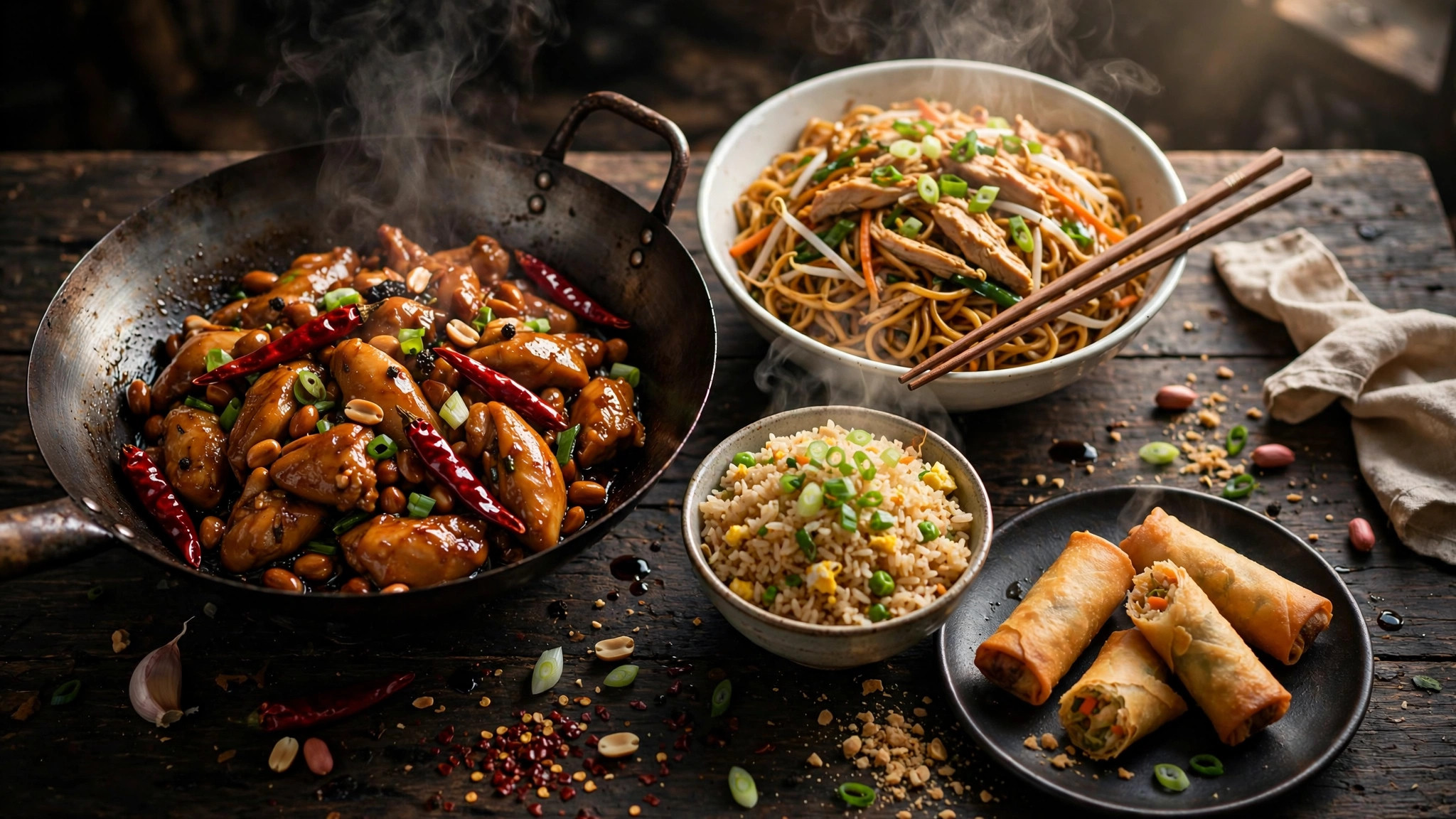
Simmer everything in a small pan for 1–2 minutes until it turns dark, glossy, and thick enough to coat a spoon. Cool it, pour it in a jar, refrigerate. That's it — you've just made roughly ¼ cup of oyster-sauce stand-in, and it handles everything from stir-fries to the 5 Chinese takeout favorites you can make at home without anyone noticing the difference.
FAQ
Can I just leave the oyster sauce out? Yes — the dish still works. You lose some depth and gloss, but a splash more soy sauce plus a pinch of sugar covers about half the gap. Nobody's dinner is ruined.
Is hoisin sauce the same as oyster sauce? No, but they're cousins. Both are thick, dark, and sweet; hoisin is soybean-based with warmer spices, oyster sauce is oyster-extract-based with more savory depth. Hoisin makes an excellent substitute, which is why it's #2 on this list.
What's the best substitute for a shellfish allergy? Mushroom "oyster" sauce is the most faithful; hoisin is the easiest to find. Both are oyster-free. Always read labels for cross-contact warnings.
Can I use fish sauce instead of oyster sauce? Not one-to-one — fish sauce is far saltier and much more pungent. Use it only as a small accent (¼ tsp per tablespoon of swap), never as the whole replacement.
Is oyster sauce gluten-free? Most brands aren't — wheat is a common ingredient. If you're cooking gluten-free, use tamari + sugar (substitute #4) or check for a labeled gluten-free oyster sauce.
"Oyster sauce is three things: salt, sweet, and gloss. Rebuild those three and the wok never knows the difference."