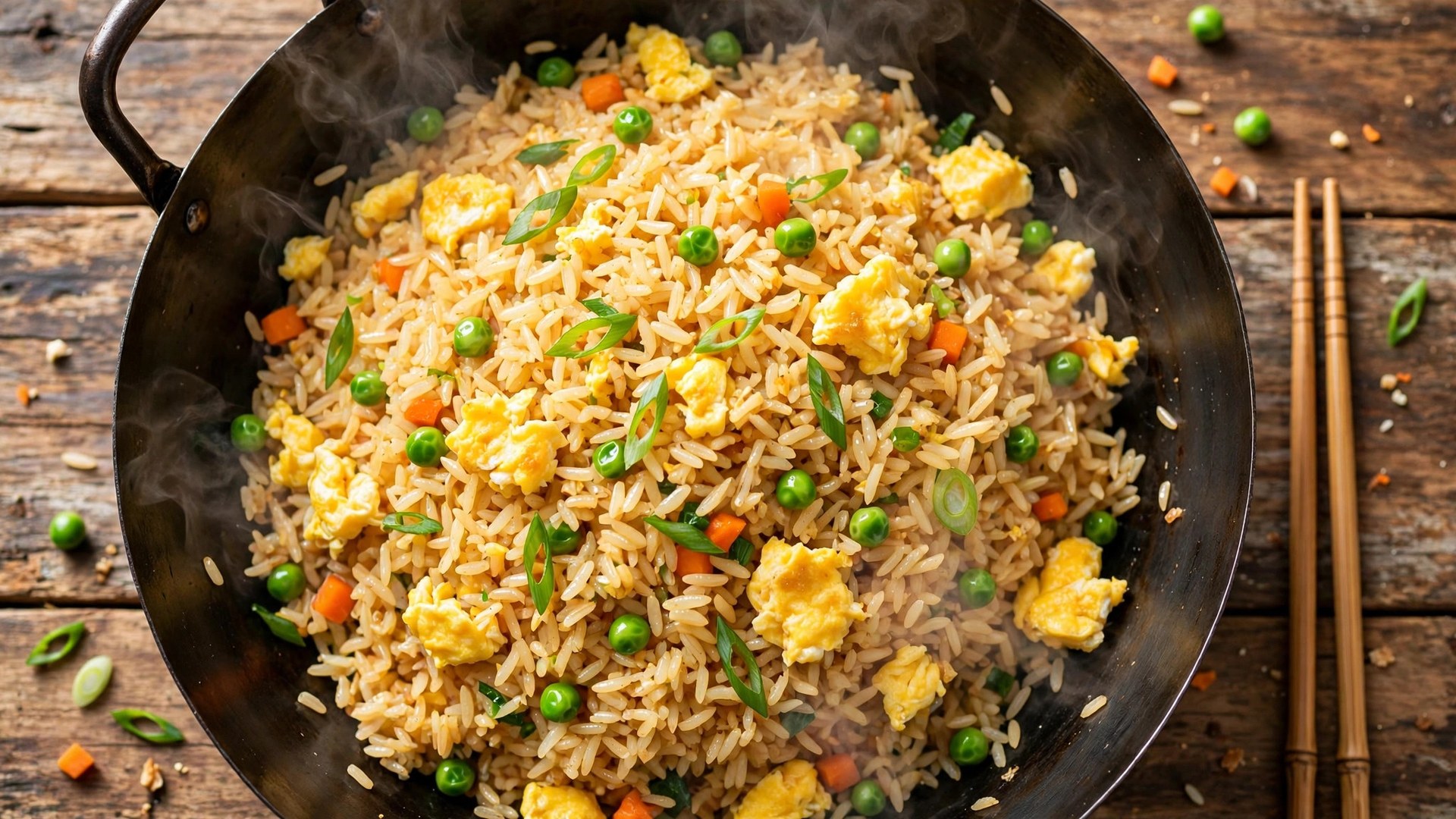
Yes — great fried rice without soy sauce is absolutely possible. That little bottle does exactly three jobs in a wok: salt, savory umami, and color. And all three jobs have understudies waiting in your pantry. Your best bets, in one line: coconut aminos goes in 1:1, Worcestershire sauce goes in 1:1 (thin it slightly), tamari goes in 1:1 but it's still soy-based, fish sauce plus lime goes in at a third of the amount, and plain salt with toasted sesame oil rescues you when the bottles are all empty. Nobody at the table will send the plate back.
Whether soy is off your menu for an allergy, a gluten worry, or the bottle is just gone at 8pm on a Tuesday — plain unsalted rice is the only real crime here. Let's rank the swaps, then cook.
Why Soy Sauce Gets All the Credit
Soy sauce is a fermented mix of soybeans, wheat, salt and water. It brings a big salty punch, a deep savory flavor, and that caramel-brown color that makes fried rice look like fried rice. So it feels like a must-have — but honestly, half of what we love about restaurant fried rice has nothing to do with the bottle.
Here's the secret: the "restaurant magic" is mostly day-old cold rice and a screaming-hot wok. Cold rice fries instead of steaming into mush, and a hot pan crisps the grains so each one stays separate. The bottle is seasoning. Salt plus umami plus heat — that's the whole religion. Everything else is a label.
The 5 Substitutes, Ranked
Ranked by how well each covers soy sauce's three jobs — salt, savory flavor, and color — in an actual wok.
- #1 — Coconut aminos. Made from fermented coconut palm sap plus sea salt, and despite the name, it doesn't taste like coconut. It's soy-free and gluten-free, similar in color to light soy sauce, milder and slightly sweeter. Healthline notes it carries about 90 mg of sodium per teaspoon versus roughly 280 mg for traditional soy sauce. Swap it 1:1 for soy sauce — brainless. Since it's a touch sweet, skip any extra sugar in the recipe.
- #2 — Tamari. A Japanese style of soy sauce brewed from mostly soybeans with little to no wheat. It's darker, thicker and richer than regular soy sauce, and most tamari is gluten-free. Here's the catch: tamari is still soy-based, so if avoiding soy is the point, this one is out. If gluten is your only issue, it's the closest 1:1 swap you'll find. Swap 1:1; it can be slightly less salty, so taste before adding extra salt.
- #3 — Worcestershire sauce. The British wildcard: a vinegar-based fermented sauce of anchovies, molasses, tamarind, onion and garlic, aged into a savory, sweet and tangy blend. It's tangier and more complex than soy sauce, but in fried rice — where the heat cooks off the vinegar edge — it genuinely works. Use 1:1, but since a little goes a long way, thin it slightly with water (roughly 3 parts sauce to 1 part water) so it can't overpower the wok. Allergy note: it contains fish and may contain wheat — but the most popular brand, Lea & Perrins, is naturally soy-free, making it a legit option for soy sensitivities.
- #4 — Fish sauce + lime. Another fermented umami bomb, but a lot saltier than soy sauce. Use only a third of the amount you'd use of soy sauce, then squeeze in fresh lime juice to round off the funk — the citrus is what stops it from tasting fishy. Best when the sauce is a background player, which is exactly what fried rice needs.
- #5 — Salt + toasted sesame oil. The panic-button option when there is literally no bottle in the house: ¾ tsp fine sea salt + 1 tsp toasted sesame oil per 3 cups of cooked rice. The salt does the seasoning job, and the sesame oil brings the nutty depth that keeps the rice from tasting flat. Not a perfect twin of soy sauce — but miles better than plain rice.
Quick recap: coconut aminos 1:1, tamari 1:1 (still soy!), Worcestershire 1:1 thinned slightly, fish sauce at a third plus lime, salt + sesame oil for emergencies.
The Recipe That Proves It: 15-Minute No-Soy Fried Rice (Serves 4)
Prep: 8 minutes · Cook: 7 minutes · Total: 15 minutes. Start with rice that's already cooked and cold — leftover fridge rice is the whole trick.
- 3 cups day-old cooked jasmine rice (cold from the fridge, clumps broken up with damp fingers)
- 2 large eggs, beaten with a pinch of salt
- 2 tbsp neutral oil (peanut or avocado), divided
- 1 cup frozen mixed vegetables (peas, diced carrots, corn), thawed and patted dry
- 3 scallions, white and green parts sliced separately
- 2 cloves garlic, minced
- 3 tbsp coconut aminos (or your chosen swap from the ranking, adjusted to its ratio)
- 1 tsp toasted sesame oil
- ½ tsp fine sea salt, plus more to taste (skip this if you used fish sauce)
- ¼ tsp ground white pepper (optional)
- Scramble the eggs first. Heat 1 tsp of the oil in a wok or large skillet over high heat. Pour in the beaten eggs and scramble for about 30 seconds — just set, not browned. Scoop them onto a plate.
- Stir-fry the vegetables. Add the remaining oil (minus 1 tsp). Toss in the thawed vegetables and cook 2 minutes until they're sizzling and any water has evaporated. Add the scallion whites and garlic, stir 30 seconds until fragrant.
- The rice goes in. Add the cold rice and press it into a single layer. Now let it sit untouched for 60–90 seconds so the bottom crisps, then toss. Fried rice should be fried, not steamed.
- Sauce it. Drizzle the coconut aminos (or your swap) around the edge of the wok, not on top of the rice — the hot metal caramelizes it on contact. Toss everything for 1 minute. Taste: needs more salt? Add the ½ tsp now. Needs more punch? One more drizzle of your swap.
- Finish off the heat. Kill the heat and stir in the toasted sesame oil, the scallion greens, and the white pepper. Toss the scrambled eggs back in, one fold, and serve immediately. Fried rice waits for no one.
What NOT to Pour In
Desperation makes people do wild things. A few hard no's:
- Balsamic vinegar, in bulk. It's dark and tangy, which sounds promising — but at fried-rice quantities it turns the rice sour and sticky. A splash in a marinade is fine; as the main flavor, it's a no.
- Ketchup. Sweet, tomato-y, and a one-way ticket to a completely different dish.
- Leaving it plain and calling it "healthy." Unsalted rice with vegetables isn't light eating — it's just sad rice. Salt is a flavor, not a crime.
- Whatever mystery bottle has no label. If you can't read the ingredients, don't pour it in the wok. (Desperation at 8pm is a powerful force.)
My Honest Pick: The Verdict
If I could only keep one bottle for no-soy fried rice, it's coconut aminos — no contest. It looks right in the pan, it swaps 1:1 with zero thinking, and it works for soy allergies, gluten worries and low-sodium eaters all at once. The runner-up is fish sauce + lime if you want the deepest punch of the five, and tamari if gluten — not soy — is the only thing you're dodging.
But here's the real verdict: the bottle matters less than the technique. Cold day-old rice, a wok that makes you nervous, and a 90-second crispy-bottom sit will carry any of these five swaps. The soy sauce was never the magic. You were.
"Soy sauce is a seasoning, not a miracle. Salt plus umami plus a screaming-hot wok — that's the whole recipe. Everything else is just a label on a bottle."
Keep the Takeout Night Going
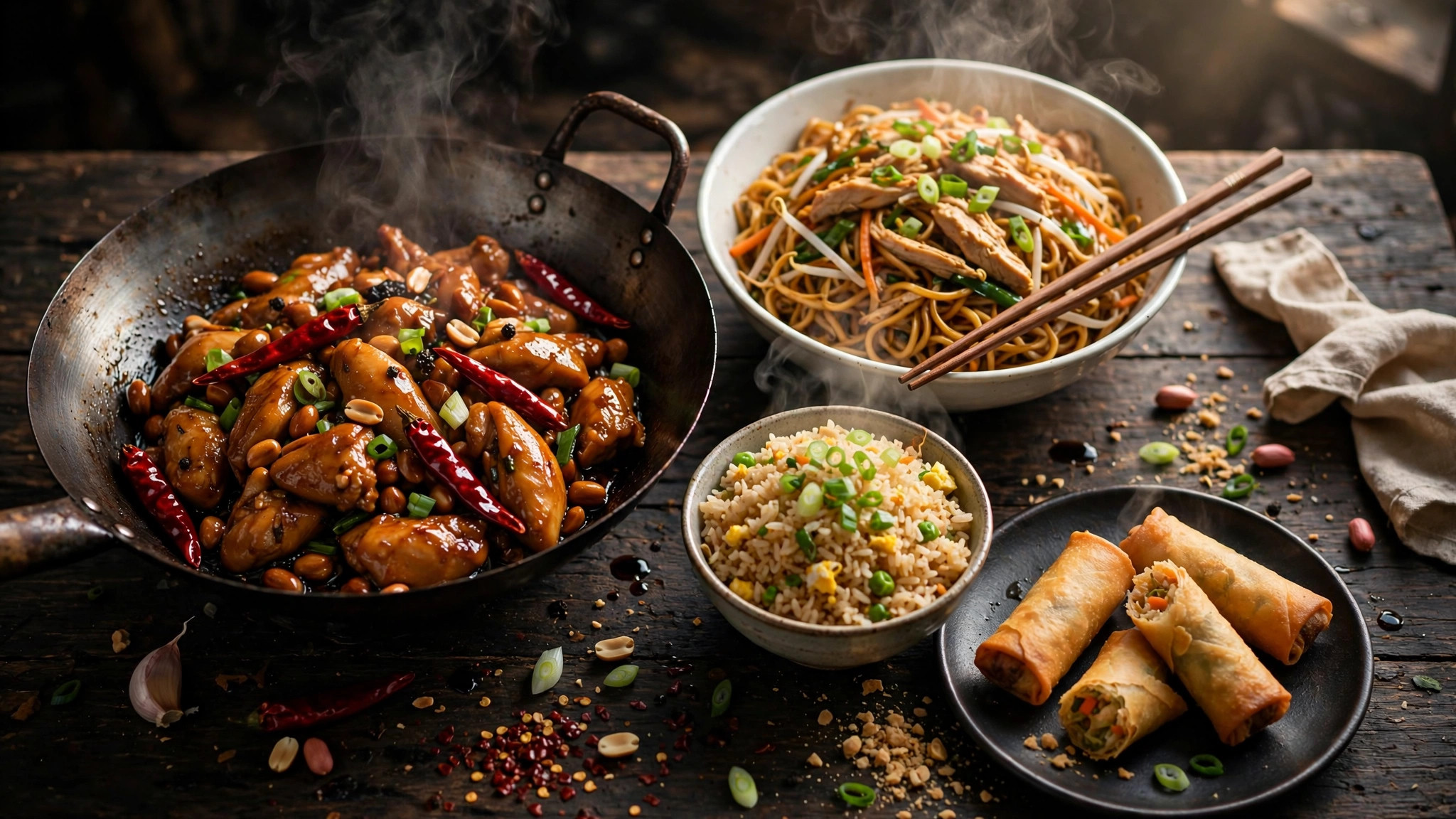
Fried rice is just the start of the takeout lineup — the full set (lo mein, beef and broccoli, and the fried rice upgrade) is in 5 Chinese takeout favorites in 25 minutes or less. For the nights you want the same screaming-hot wok method with a different protein, homemade kung pao chicken is the next move. And when the fridge is empty and it's already late, the Chinese takeout hub has the fastest plays in the book.