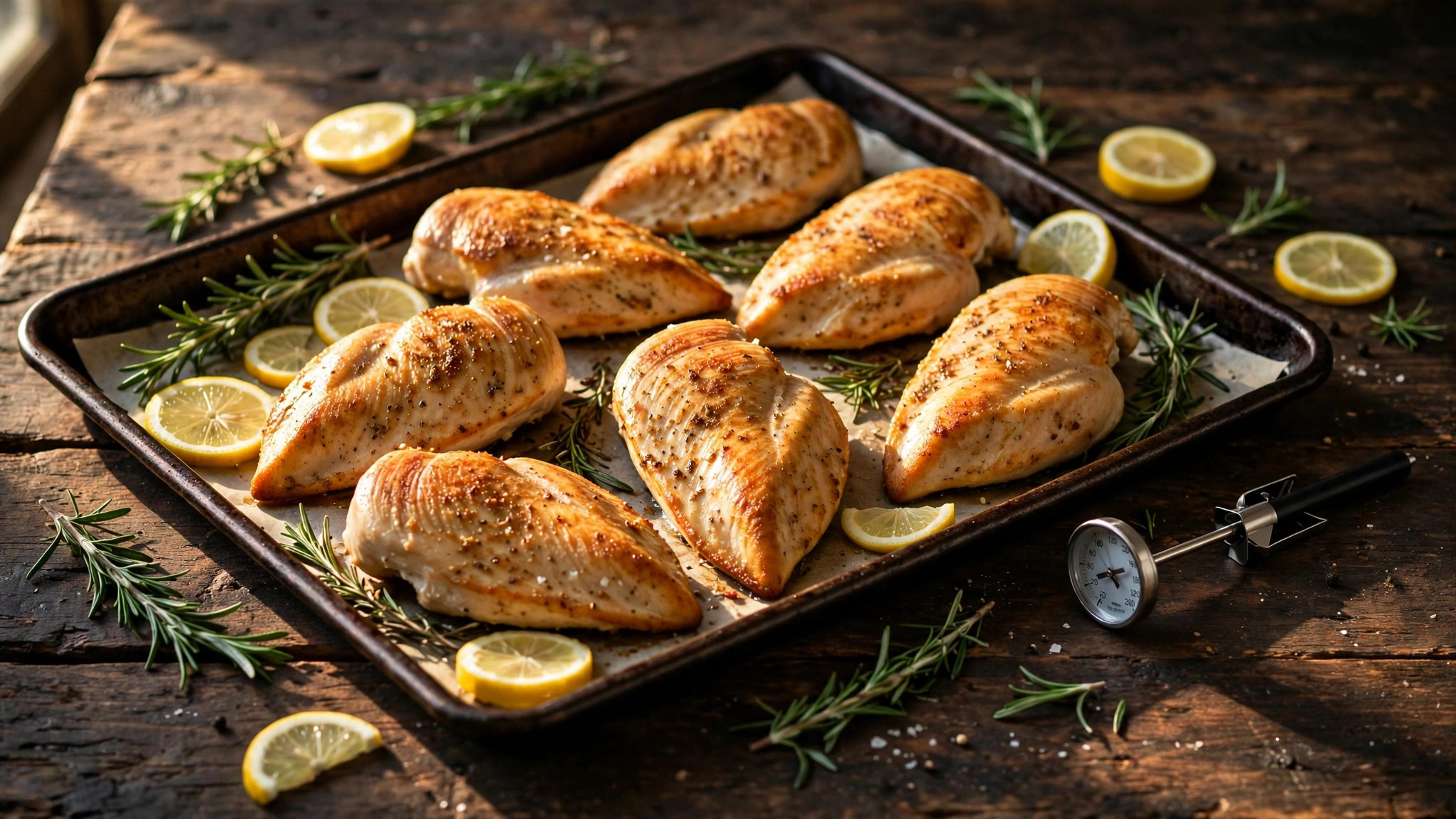
Chicken breast has a reputation problem, and it is not the breast's fault. Boneless, skinless breasts (the standard 6–8 oz size) bake in 20–25 minutes at 375°F (190°C); bone-in, skin-on breasts need 30–35 minutes. In both cases the thermometer is the finish line: pull them at 165°F (74°C) internal, the safe temperature the USDA Food Safety and Inspection Service sets for poultry. But the time is only half the story — because the reason your baked chicken goes chalky has almost nothing to do with the clock.
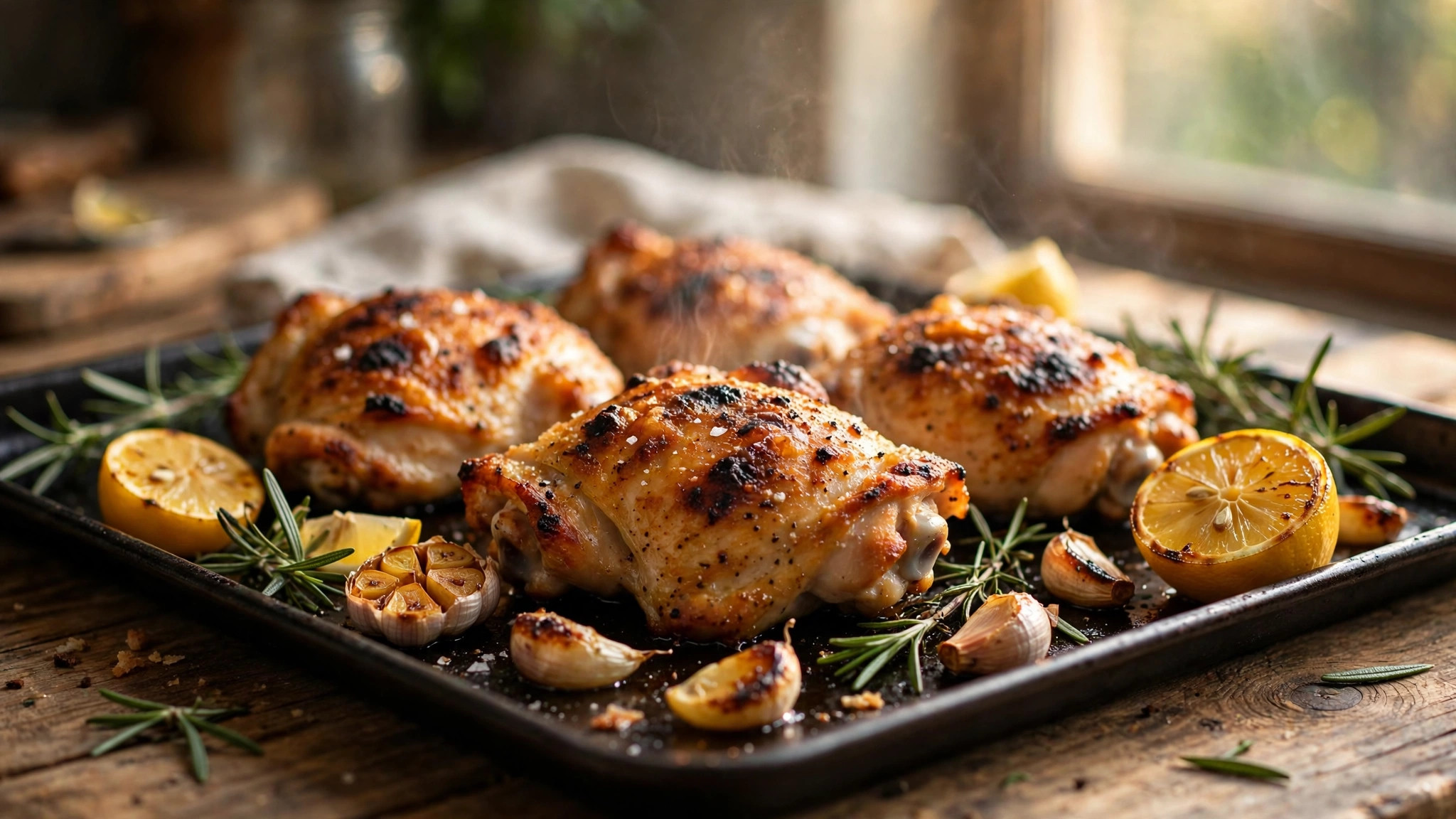
Here's the part most timing charts skip. A chicken breast is two different foods stuck together: one thick, juicy hump and one thin tail that cooks in half the time. Crank the oven to 400°F and the thin end turns to rubber while the thick end is still catching up. That is why 375°F is the breast sweet spot — gentler than thigh temps, giving the thick end time to cook through without nuking the thin end. Our chicken thigh timing chart at 400°F plays by different rules, because dark meat is far more forgiving. Lean breast meat is not.
The Time Chart (375°F / 190°C)
Oven fully preheated, breasts on a rimmed sheet pan. These times assume room-temperature-ish breasts (straight from the fridge is fine — frozen is a different game). Start checking at the low end.
- Boneless, skinless breasts (6–8 oz each) — 20–25 minutes. The weeknight standard. Pounded to even thickness (the trick below), 22 minutes is usually dead-on.
- Bone-in, skin-on breasts (10–12 oz each) — 30–35 minutes. The bone adds insulation and the skin self-bastes, so these are harder to dry out — but they need the full time for the meat near the bone to hit 165°F.
- Thin-sliced or cutlet breasts (about ½-inch thick) — 12–15 minutes. These go fast and dry out fastest. Watch them like a hawk after minute 10.
- Stuffed breasts — 25–30 minutes. The filling insulates the center, so the thermometer has to read 165°F in the stuffing too, not just the meat.
- Boneless breasts from frozen — 35–45 minutes. The USDA says cooking poultry from frozen is safe as long as it reaches 165°F throughout — just expect roughly 50% more time and a paler finish. Rinse the frozen breast under cold water for a minute so the seasoning actually sticks.
And the five-minute rule that applies to every row: rest the breasts 5 minutes after they leave the oven, tented loosely with foil. The juices redistribute instead of flooding your cutting board, and carryover cooking adds another 3–5°F for free.
The Even-Thickness Trick (This Fixes 80% of Dry Breasts)
If you do exactly one thing from this article, do this. Lay each breast between two sheets of plastic wrap and pound the thick end down to roughly the thickness of the thin end — a rolling pin or the flat side of a meat mallet works. You are not tenderizing it (boneless breasts don't need that); you are making the piece cook at one speed instead of two.
It takes 60 seconds per breast and it is the single biggest upgrade you can make. An un-pounded breast at 375°F gives you a thick end that needs 25 minutes and a thin end that is done at 15 — a compromise nobody wins. An evened-out breast finishes everywhere at the same time, which means no part of it spends extra minutes drying out while the rest catches up.
No mallet, no rolling pin? Butterfly the thick end instead: slice it horizontally most of the way through and open it like a book. Same result, one sharp knife.
Brine, Dry-Brine, or Nothing? The Honest Comparison
Everyone on the internet has a chicken breast religion. Here is the plain version of all three, so you can pick one and move on with dinner:
- Wet brine (30–60 minutes): 1 quart cold water + ¼ cup kosher salt + 2 tbsp sugar, breasts submerged in the fridge. This genuinely adds moisture and gives you the most insurance against overcooking. The trade: it takes planning, and the surface stays a little wet, so browning is weaker.
- Dry brine (1–24 hours): salt the breasts generously (about ¾ tsp kosher salt per breast), rest uncovered on a rack in the fridge. The salt dissolves, soaks in, and the dry surface browns beautifully. This is the best flavor-per-effort of the three.
- Nothing (just oil + seasoning): 1 tbsp olive oil rubbed on, salt and pepper, straight in the oven. Totally fine when the breasts are evened out and you use a thermometer. Brining is insurance; even thickness is the real policy.
One rule for all three: pat the surface dry before it goes in the oven. Wet surfaces steam; dry surfaces brown. Paper towel, both sides, done.
The 5 Mistakes That Turn Breasts Into Cardboard
Mistake 1: Baking them straight from the fridge, uneven and uncovered. Cold, thick-ended, naked breasts bake unevenly. Even the thickness, oil lightly, and the time chart above actually works.
Mistake 2: Trusting the clock instead of a thermometer. Your oven's 375°F and my oven's 375°F can be 25 degrees apart (most home ovens are off by at least that much). An instant-read thermometer costs about $10 and ends the guessing forever. Check the thickest part, away from the bone on bone-in pieces.
Mistake 3: Cooking to 175°F "to be safe." 165°F is the USDA safe number — going 10 degrees past it doesn't make the chicken safer, it makes it drier. Pull at 160–162°F and let carryover cooking finish the last few degrees during the rest; the USDA's own guidance counts the temperature during resting, since heat keeps conducting inward.
Mistake 4: Slicing with the grain. Even a perfectly cooked breast tastes chewy when cut with the grain. Find the lines running through the meat and slice across them — short fibers chew tender, long fibers chew like rope.
Mistake 5: Serving them plain and calling it healthy. A baked breast with nothing on it is a dare, not a dinner. Rest it, slice it, then put it on something with a sauce: salsa, pan gravy, pesto, chimichurri. Moisture comes from technique; flavor comes from company.
Seasoning: 3 Profiles That Never Miss
The oven handles doneness; seasoning handles everything else. These three cover 90% of weeknights:
- Classic garlic-herb: olive oil + 1 tsp kosher salt + ½ tsp black pepper + 1 tsp garlic powder + 1 tsp Italian seasoning per breast. The jeans-and-t-shirt of chicken seasoning — goes with everything.
- Smoky-sweet: olive oil + 1 tsp kosher salt + 1 tsp smoked paprika + ½ tsp brown sugar + ¼ tsp cayenne per breast. The sugar caramelizes into a gorgeous crust at 375°F; the cayenne stays in the background.
- Lemon-pepper: olive oil + zest of half a lemon + 1 tsp kosher salt + 1 tsp cracked black pepper per breast. Bright, simple, and the lemon cuts through the leanest breasts like nothing else.
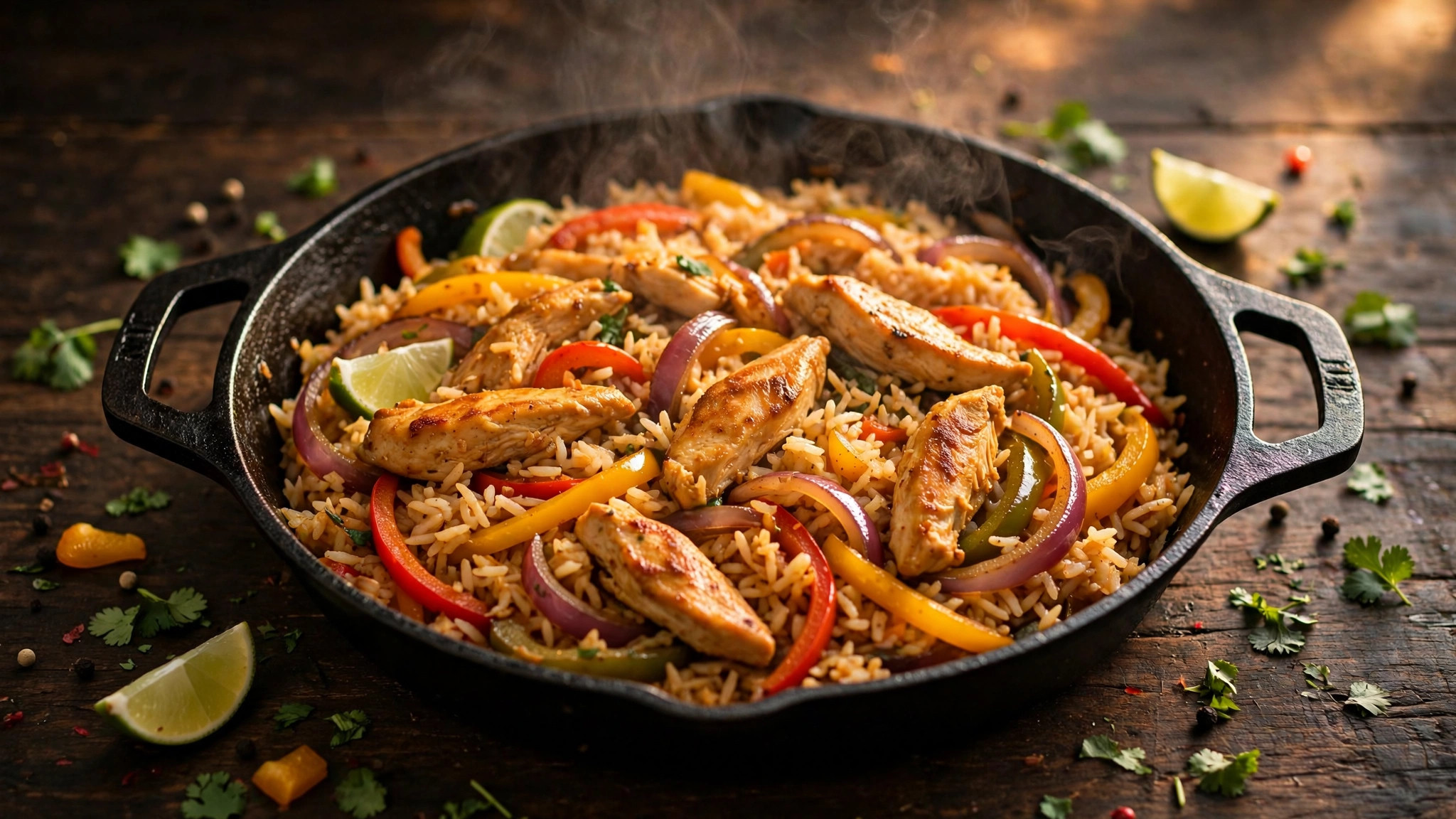
Want the breasts to carry a whole meal? Bake a double batch and use them across the week: slice over the 15-minute creamy garlic pasta (the sauce covers any sins), chop into the one-pan chicken fajita rice skillet instead of searing, or shred for tacos. One bake, three dinners.
"Nobody ever said 'this chicken breast is too juicy.' The dry ones all failed the same way: uneven thickness, no thermometer, no rest. Fix those three and 375°F does the rest."